Water Ministry needs over 1,500 Environmental Rangers to protect Wetlands, Forests
- FEATUREDNEWS
- October 22, 2026
- No Comment
By Our Reporter
The Ministry of Water and Environment needs more than 1,500 environmental rangers to strengthen the protection of Uganda’s wetlands, riverbanks, lakeshores and central forest reserves, amid staffing shortages and inadequate funding that continue to hamper conservation efforts.
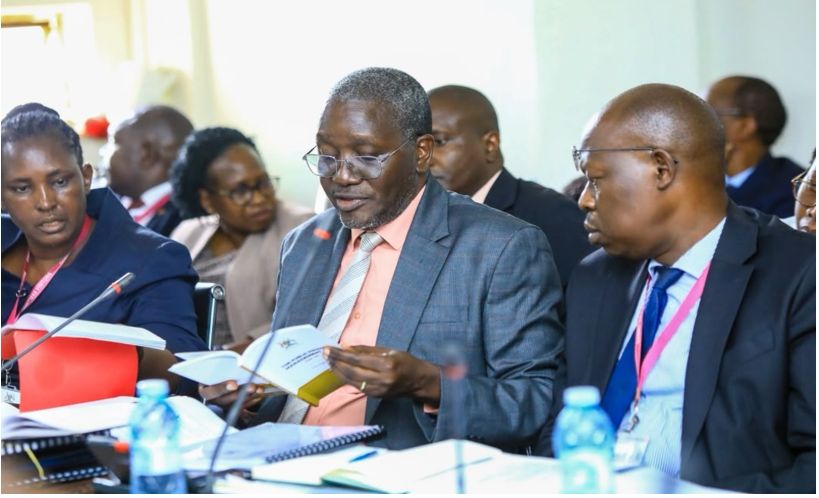
The Ministry’s Permanent Secretary, Alfred Okidi, revealed this while appearing before Parliament’s Public Accounts Committee (Central Government) on Wednesday, October 21, 2026. The meeting was chaired by Hon. Patrick Oshabe.
Okidi told the committee that the ministry currently relies on only 238 police officers to conduct environmental patrols across the country, leaving a significant gap in enforcement and protection of natural resources.
He said the staffing challenge also affects other critical departments, with the climate change department operating at less than 30 per cent of its required staffing levels, while the forestry department operates at between 35 and 40 per cent.
Beyond human resource constraints, Okidi identified inadequate funding, difficulties in acquiring land and the effects of climate change as major challenges affecting the ministry’s ability to fulfil its mandate.
He said the ministry receives less than half of the resources required to implement its strategic plan, the Fourth National Development Plan and the government manifesto.
“If you look at our strategic plan, the requirements of NDP IV and manifesto requirements, we do not get the money to meet these mandates. We probably get not more than 40 per cent of what we really want to meet,” Okidi said.
On environmental conservation, Okidi reported that Uganda’s forest coverage stands at 13.2 per cent, while wetland coverage is estimated at 19.3 per cent.
He emphasised the importance of increasing tree cover to help communities cope with changing environmental conditions and the growing effects of climate change.
“With climate change and what we are seeing, if we had enough tree cover, some of the local environment situations would look a little bit better,” he said.
The staffing and funding constraints raise concerns about the ministry’s capacity to strengthen environmental monitoring, enforce regulations and protect vulnerable ecosystems against degradation.
The committee also examined the country’s water coverage and the ministry’s ability to extend infrastructure to emerging urban centres whose populations have outgrown existing supply systems.
Okidi told MPs that rural water coverage stood at 72 per cent, while urban water coverage was at 73 per cent. He added that 82 per cent of villages had at least one reliable water source.
However, legislators raised concerns about the pace of infrastructure expansion to cater for rapidly growing towns and communities.
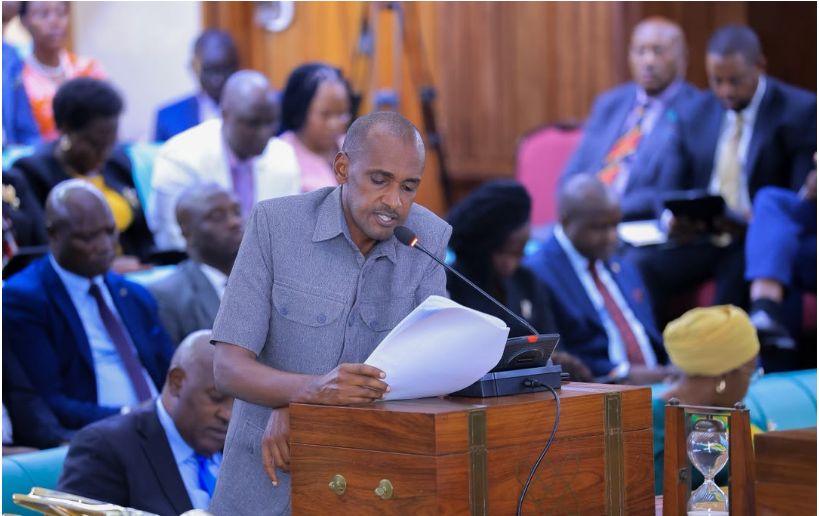
Committee chairperson Hon. Patrick Oshabe questioned how frequently the ministry updates its mapping of emerging urban centres and plans extensions to existing water supply systems, citing growing demand in Kasanda.
“There are so many new towns that are growing up that need a response. How often do you have a new map for urban planning? Secondly, how often do you do extensions?” Oshabe asked.
In response, Okidi acknowledged the challenge and said the ministry planned to extend the Kasanda water supply scheme during the current financial year.
The proposed extension is expected to respond to increasing demand for water as the area continues to grow.
Mbale Industrial Division MP Hon. Karim Masaba also questioned the ministry’s preparedness for a possible El Niño event, particularly in highland areas where communities face climate-related risks.
Masaba expressed concern about the vulnerability of communities in the Bugisu sub-region, where highland terrain can expose residents to serious risks during extreme weather events.
“Because our people are at risk of dying especially in the highland areas of Bugisu, what preparations do you have in place?” Masaba asked.