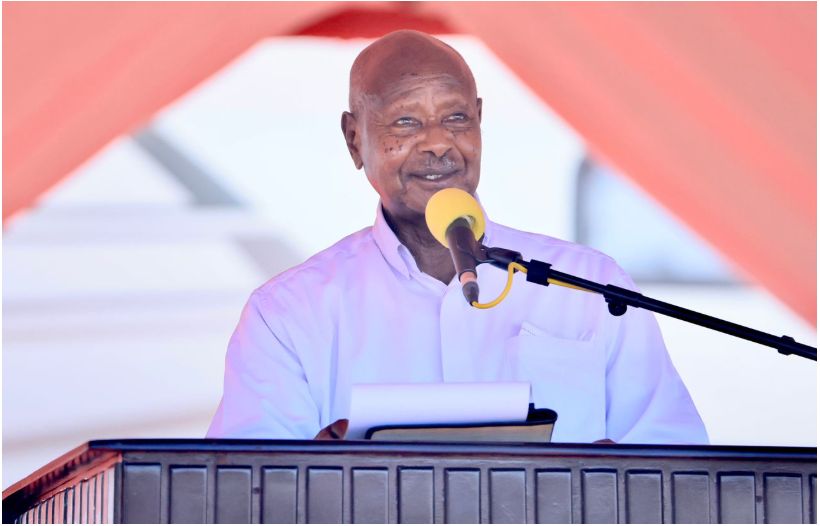
Museveni reaffirms “No More Sleep” call, urges Ugandans to reject corruption and complacency
- FEATUREDNEWS
- June 4, 2026
- No Comment
By Emmanuel Sekago
President Yoweri Museveni has reaffirmed his “No More Sleep” campaign message, calling on Ugandans, public officials and political leaders to embrace hard work, reject corruption and focus on wealth creation as the country enters a new political term.
Delivering the 2026 State of the Nation Address before Parliament on Thursday, President Museveni clarified that his message was not simply “no sleep” as some critics had interpreted it, but rather “no more sleep” in reference to ending complacency, corruption and poor performance in public service.
“It is ‘no more sleep’,” Museveni said. “No more corruption, no more kukongola (leaning on your hoe when others are digging), no more diverting people’s attention from the real target, and no more politeness to non-performers who want leadership for their own ego and personal interests.”
The President used a significant part of his address to reflect on Uganda’s economic transformation over the last four decades, tracing the origins of the National Resistance Movement’s development agenda to the 1960s and the 10-Point Programme adopted during the liberation struggle.
Museveni highlighted the transformation of Uganda’s cattle corridor, particularly Nyabushozi, as a clear example of how communities can move from subsistence farming to commercial agriculture. He noted that milk production has increased from 200 million litres annually in 1986 to 5.4 billion litres today, positioning Uganda among Africa’s leading dairy exporters.
According to the President, this success was largely driven by sustained sensitisation campaigns that encouraged farmers to abandon nomadic practices, adopt modern farming methods and embrace profit-oriented production.
He defended government wealth-creation initiatives, including the National Agricultural Advisory Services (NAADS), Operation Wealth Creation, Emyooga and the Parish Development Model, saying the programmes have enabled thousands of Ugandans to join the money economy and improve household incomes.
The President also pointed to major government investments in infrastructure development, including roads, railways and oil-related projects, arguing that these investments have laid a strong foundation for long-term economic growth and industrialisation.
Museveni reported that Uganda’s economy has expanded significantly since 1986, with the country’s Gross Domestic Product growing from approximately USD 3.9 billion to USD 69.3 billion. He further noted improvements in household welfare, including a decline in poverty levels and an increase in life expectancy from 43 years to 68 years.
He revealed that the economy is projected to grow by 6.4 percent during the current financial year and by 10 percent in the next financial year, potentially pushing Uganda’s GDP to USD 80 billion even before the commencement of commercial oil production.
The President dismissed critics who claim Uganda has failed to make meaningful progress over the last 40 years, insisting that the country’s achievements are evident in increased agricultural production, industrial growth and expanding exports.
As Uganda embarks on a new political cycle following the 2026 General Elections, Museveni said the country’s priority should remain focused on wealth creation, job creation, productivity and accountability at all levels of leadership.
“The factors for prosperity are now in place,” Museveni said. “We must ensure there is no more sleep, no more corruption and no more tolerance for non-performance.”
He urged leaders across government institutions to focus on service delivery and results, saying Uganda’s future prosperity will depend on disciplined implementation of policies and effective utilization of available opportunities.